12 Renovation Mistakes Malaysian Homeowners Regret Most (and How to Avoid Each)
The most expensive renovation mistakes we see in Malaysia and practical ways to avoid them. Permits, waterproofing, electrical, deposits, change orders, and more.
Posted by
 RenoWise Team
Related reading
Essential Renovation Tips for Malaysian Homes [2026 Guide]
Expert renovation tips for Malaysian homeowners. Learn about permits, waterproofing, electrical work, contractor selection, and payment schedules to avoid costly mistakes.
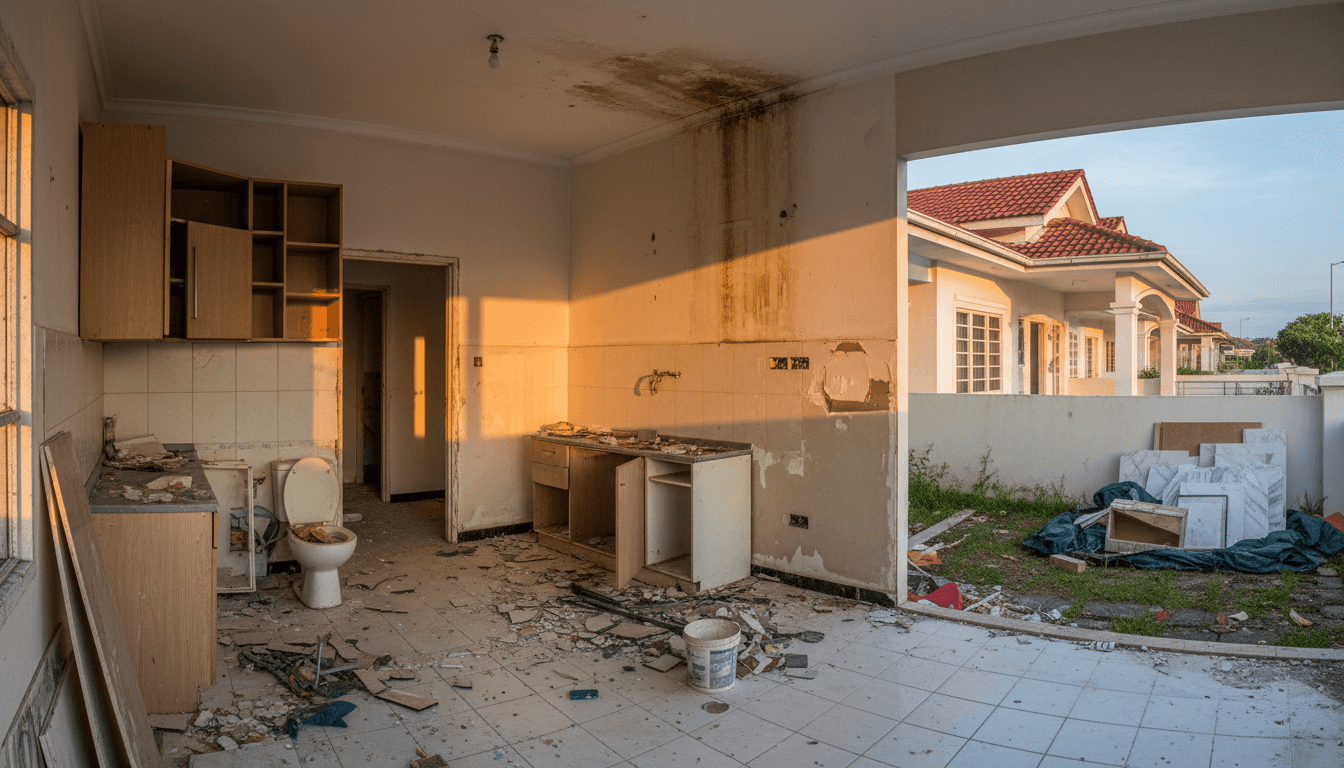
The 12 Costliest Renovation Mistakes in Malaysia
After 20+ years delivering renovations across Klang Valley, these are the mistakes that consistently burn homeowners. Use this as a checklist to protect your budget, timeline, and sanity.
1) Skipping Council Permits
MBPJ, DBKL, MPSJ, and MBSA have different rules for extensions and façade changes. Skipping approvals risks stop-work notices and fines.
- How to avoid: Verify permit submissions with receipts and approval letters before demolition.
- Timeline: 2-8 weeks. Build this into your plan.
2) Choosing the Lowest Lump-Sum Quote
Too-cheap packages often hide exclusions (electrical upgrades, waterproofing, debris disposal) that appear as "add-ons" later.
- Demand itemized quotations with line items for materials, labor, permits, debris, and contingencies.
- Compare apples-to-apples. If a quote is 20% lower, ask which scope is excluded.
3) Paying Big Deposits Upfront
Paying 70-80% before work begins removes your leverage if progress stalls.
- Use stage-based payments: 10% booking, 20-30% on material arrival, then milestone-based releases.
- Tie payments to completed works, not calendar dates.
4) No Written Contract or Scope
Verbal agreements lead to disputes over tile specs, brands, and workmanship standards.
- Put scope, brands, thickness, tile size, and warranty terms in writing.
- Include timelines, payment stages, and defect rectification process.
5) Weak Waterproofing
Malaysian humidity punishes shortcuts. Skipped ponding tests lead to leaks that force hacking new tiles.
- Insist on 2-3 coats of membrane and a 48-hour ponding test for bathrooms, balconies, and roof slabs.
- Check corners, kerbs, and pipe penetrations - common leak points.
6) Ignoring Old Electrical & Piping
Houses older than 20-25 years often need full rewiring and new PPR pipes. Reusing old infrastructure risks tripping and leaks.
- Rewire and replace GI pipes during hacking - doing it later costs 2-3x.
- Add power points for AC, oven, washer/dryer, and future EV charging.
7) Buying the Cheapest Tiles and Fixtures
Low-grade tiles crack and stain in our climate; cheap taps and mixers corrode fast.
- Spend slightly more on homogeneous tiles for living areas and anti-slip for bathrooms.
- Buy fixtures yourself during sales to control quality and pricing.
8) Poor Air-Conditioner Planning
Wrong placement causes condensation leaks and ugly trunking after ceilings are closed.
- Decide AC locations before electrical and ceiling works.
- Plan drain routes, dedicated power points, and outdoor unit airflow.
9) No Contingency Budget
Hidden issues (termite damage, rotten beams, blocked pipes) surface once walls open up.
- Keep 15-20% buffer for surprises. It keeps the project moving instead of stalling mid-way.
10) Mid-Project Design Changes
Changing tile patterns, cabinet layouts, or plumbing points mid-way triggers hacking, rework, and delays.
- Freeze designs and selections before demolition. Approve shop drawings for carpentry.
- If change is unavoidable, document cost and time impact before proceeding.
11) Materials Not Ordered Early
Long-lead items (custom cabinets, imported tiles, special fixtures) delay timelines if ordered late.
- Order 2-3 weeks before site start; track delivery dates.
- Have backup selections approved in case of stock issues.
12) No Daily Updates or Site Walks
Miscommunications about layouts, heights, or finishes are expensive to fix after installation.
- Set up a WhatsApp group for daily photos, decisions, and defect logging.
- Do weekly site walks to catch issues early (tile alignment, outlet positions, slope to drain).
Plan Your Renovation the Safe Way
RenoWise combines transparent quotations, milestone-based payments, and daily progress tracking - so you can avoid these costly mistakes. Chat with us and see how we keep projects accountable from day one.